Shipping goods from China to Amazon FBA requires clear planning, accurate scheduling, and a complete understanding of transit times for each destination market. Timeframes vary widely depending on the shipping method, destination country, customs efficiency, and the freight forwarder supporting your shipment. When global sellers plan to ship goods from China to Amazon FBA, the timeline becomes one of the most important factors for inventory forecasting, stock replenishment, and sales growth. A well-structured logistics plan helps ensure your Amazon inventory remains stable, preventing stockouts and unnecessary storage fees. Whether you sell private-label products, wholesale goods, or custom-developed items, knowing the accurate shipping time to different Amazon FBA warehouses helps you optimize production and restocking schedules. This guide explores how long it may take to ship goods from China to Amazon FBA in various countries, along with practical freight forwarder strategies to maintain smooth logistics operations.
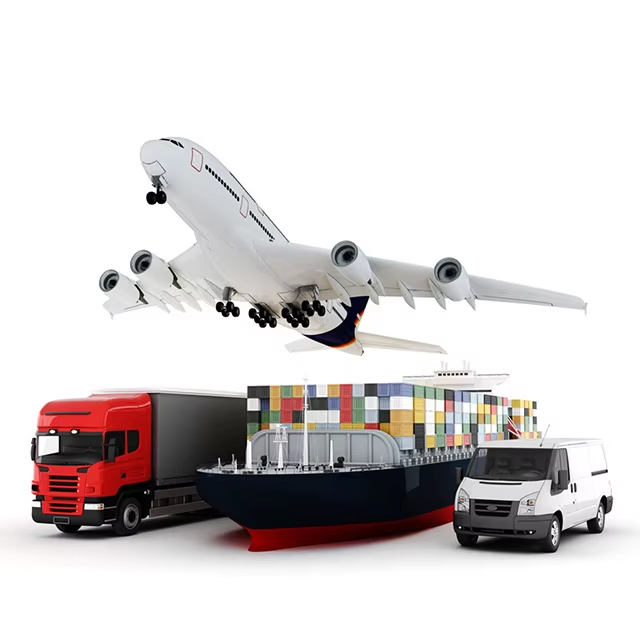
Different transportation methods significantly impact how long it takes to ship goods from China to Amazon FBA. Express delivery offers the fastest arrival time, but costs more and handles smaller cargo volumes. Air freight provides a balance between speed and cost, making it a reliable option for medium-sized shipments or urgent replenishment needs. Sea freight remains the preferred choice for large-volume inventory because of its cost efficiency, though it requires longer transit times. When choosing a method, Amazon sellers consider product size, order frequency, and warehouse stocking plans. A well-prepared freight forwarder helps evaluate which method supports your business goals and ensures timely arrival at Amazon FBA warehouses without delays.
Customs inspection and destination handling processes directly influence Amazon FBA delivery speed. Each country has its own regulatory procedures, making shipping time to Amazon FBA dependent on how smoothly cargo clears customs. Some countries have faster clearance systems, while others may add days to the total timeline. After customs release, the next step is domestic delivery to Amazon FBA fulfillment centers, which varies by region and logistics network density. A skilled freight forwarder provides accurate documentation, compliant labeling, and Amazon-ready packaging to prevent delays. When goods are properly prepared before leaving China, the entire transportation chain operates with fewer disruptions and more predictable delivery results.
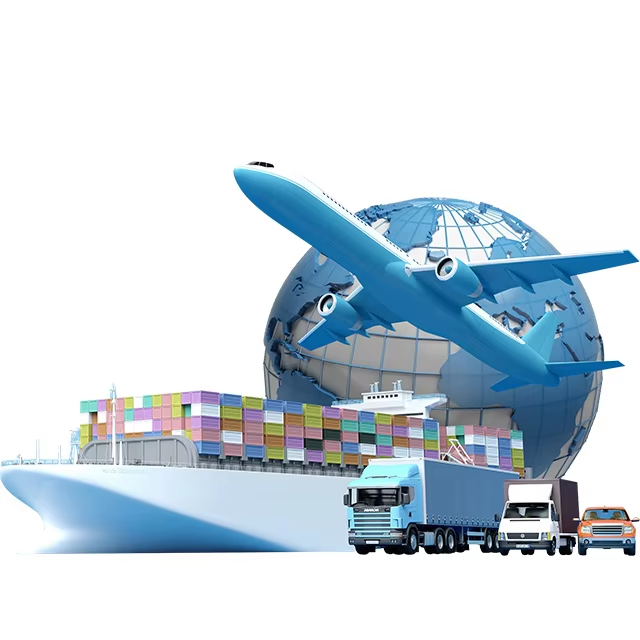
Express shipping from China to Amazon FBA in Europe typically takes 3 to 5 days, making it the fastest option for sellers requiring urgent inventory replenishment. Express services handle small to medium parcels and deliver directly to the designated Amazon FBA warehouse after customs clearance. Air freight to Europe generally takes 8 to 10 days, depending on flight capacity, customs workload, and the destination country. Air freight is commonly used for higher-volume restocking because it offers quicker delivery than sea transport at a moderate cost. Both methods offer trackable, stable delivery timelines, ensuring that European Amazon FBA sellers maintain a consistent inventory flow throughout peak seasons and regular periods.
Rail freight provides a cost-effective and relatively stable alternative for Amazon FBA shipments to several European countries. Transit times for rail shipping from China to Europe typically range from 23 to 28 days. This method balances speed and cost while supporting sizable cargo volumes. Sea freight, though slower, remains the most economical option for shipping large Amazon FBA replenishment orders. Standard sea freight from China to Europe usually takes 35 to 45 days, depending on the port of discharge and inland transportation requirements. Sellers shipping bulk goods often choose sea freight to reduce logistics expenses while maintaining long-term inventory planning. With proper coordination, these slower methods provide reliable scheduling options for Amazon FBA Europe.
Express delivery from China to Amazon FBA warehouses in the United States typically requires 3 to 4 days, offering rapid replenishment for urgent or high-demand products. Air freight to the United States generally takes 7 to 9 days, providing a practical balance between cost and speed. For Amazon sellers shipping goods from China to the US, fast sea services such as Matson, known for stability and shorter ocean transit, usually require 13 to 18 days to reach the West Coast. These fast sea options deliver quicker than standard ocean freight and are widely used by sellers needing faster yet cost-efficient logistics. Choosing between express, air, and fast sea options depends on sales velocity, inventory turnover, and product size.
Shipping time to Amazon FBA in the United States varies by region due to different domestic transportation networks. Goods arriving on the West Coast often reach Amazon FBA warehouses faster because ports such as Los Angeles and Long Beach offer shorter inland distances. East Coast and Central regions generally require additional days for domestic trucking after customs clearance. Sea freight options such as EXX, ZIM, and HEDE typically take 18 to 22 days before reaching the destination port. Standard sea freight, also called general or regular vessel services, usually takes 30 to 35 days from China to the United States. Sellers planning inventory for Amazon FBA US must account for these regional differences to avoid stock shortages and maintain stable sales performance.
Express delivery to Canada usually takes 3 to 5 days from China, providing a fast and direct method for Amazon FBA inventory replenishment. Air freight commonly requires 7 to 9 working days, depending on customs clearance times and local handling procedures. These shipping options suit sellers needing quick movement of small to medium quantities of goods. When shipping goods from China to Amazon FBA Canada, the choice between express and air often depends on product weight, FBA warehouse distance, and seasonal order fluctuations.
Sea freight to Canada generally takes 30 to 35 days, making it a practical solution for large shipments or long-term restocking. Bulk Amazon FBA shipments benefit from lower per-unit logistics costs and stable transit schedules. Although sea freight requires more lead time, it supports consistent inventory flow when sellers plan ahead. A professional freight forwarder helps schedule loading, manage customs documentation, and coordinate inland trucking to ensure timely delivery to Canadian Amazon FBA centers. By combining sea freight with strategic forecasting, sellers maintain strong inventory readiness throughout the year.
Air freight to Saudi Arabia, Australia, Japan, and the UAE typically takes 8 to 10 days from China. This shipping method offers reliable speed and strong cargo security, making it ideal for Amazon FBA sellers operating in these growing markets. Air freight services provide stable transit schedules and efficient handling procedures, allowing goods to move quickly through customs and reach Amazon fulfillment centers without major delays. For Amazon sellers managing diverse product categories, air freight remains a preferred option due to its predictable transit time and strong performance in international markets.
Sea freight to Saudi Arabia, Australia, Japan, and the UAE usually takes around 30 days from China. While slower than air freight, sea transportation offers excellent cost savings for large or heavy Amazon FBA shipments. Sellers managing bulk orders often rely on sea freight to maintain inventory levels while optimizing expenses. A skilled freight forwarder monitors vessel schedules, port conditions, and customs procedures to help ensure timely delivery. When planned correctly, sea freight supports long-term stock management for Amazon FBA warehouses across these destinations.
Effective inventory planning ensures that Amazon sellers maintain a stable flow of products to Amazon FBA warehouses. By understanding shipping times from China to multiple regions, businesses can calculate reorder points and maintain continuous supply. Forecasting plays an essential role in avoiding stockouts and preventing expensive air freight upgrades. Sellers benefit from evaluating sales data, seasonal patterns, and product life cycles to determine the most suitable shipping method. With the right planning, even longer sea freight routes can align perfectly with inventory goals.
Coordination with a professional freight forwarder helps resolve challenges that may impact shipping time. A reliable logistics partner provides route recommendations, customs compliance assistance, Amazon labeling guidance, and regular shipment updates. Communication ensures that production schedules match vessel or flight departures and that documentation is prepared correctly. When both sides collaborate effectively, sellers experience fewer delays, smoother customs clearance, and consistent delivery performance across all Amazon FBA networks.
Shipping times vary widely depending on destination and transportation method. Express is fastest, followed by air freight, while sea freight requires longer transit. Understanding timelines for each region helps sellers manage inventory more effectively and avoid stock shortages during peak periods.
Sea freight is typically the most cost-efficient option for large shipments, while air freight provides a good balance between speed and cost. Express delivery is ideal for urgent or lightweight shipments. Choosing the right method depends on sales volume, forecast accuracy, and warehouse stock levels.
Factors include transportation mode, customs efficiency, regional delivery networks, freight forwarder experience, and seasonal demand. Proper documentation, labeling accuracy, and Amazon compliance preparation also help ensure goods reach fulfillment centers on schedule.

 EN
EN


 Hot News