International shipping decisions can make or break your business operations, especially when choosing between less than container load and full container load options. Understanding the fundamental differences between LCL vs FCL shipping methods is crucial for optimizing your supply chain efficiency and controlling logistics costs. Many businesses struggle with this decision because both options offer distinct advantages depending on shipment volume, budget constraints, and delivery timelines.
The choice between these container shipping methods affects everything from transit times and security levels to documentation requirements and final delivered costs. Modern freight forwarding has evolved to accommodate various business needs, making it essential to understand which approach aligns with your specific shipping requirements. This comprehensive analysis will examine the key factors that should influence your container shipping strategy.
Less than container load shipping represents a cost-effective solution for businesses that do not have enough cargo to fill an entire container. In this arrangement, multiple shippers share container space, with each paying only for the cubic meters or weight they actually use. The freight forwarder consolidates various shipments at origin ports before loading them into shared containers for ocean transport.
This consolidation process requires careful planning and coordination to ensure compatibility between different cargo types. Freight forwarders must consider factors such as weight distribution, cargo compatibility, and destination deconsolidation requirements when organizing LCL shipments. The shared nature of these shipments means that documentation and customs clearance procedures can be more complex compared to single-shipper containers.
LCL shipping typically involves longer transit times due to consolidation and deconsolidation processes at both origin and destination ports. However, this method provides smaller businesses access to international shipping markets that would otherwise be cost-prohibitive through full container loads. The flexibility of LCL shipping makes it particularly attractive for businesses with irregular shipping volumes or those testing new international markets.
Full container load shipping involves dedicating an entire container to a single shipper's cargo, regardless of whether the container is completely filled. This method provides maximum control over the shipping process, from packing and loading to customs clearance and final delivery. Shippers benefit from direct container handling without the complications of cargo consolidation or deconsolidation processes.
The exclusive use of containers in FCL shipping offers enhanced security and reduced handling risks throughout the transportation process. Cargo remains sealed from origin to destination, minimizing exposure to damage, theft, or contamination that can occur during multiple handling operations. This security advantage becomes particularly important when shipping valuable, fragile, or time-sensitive merchandise.
FCL shipping typically provides faster transit times since containers bypass consolidation warehouses and move directly through the logistics chain. The streamlined process reduces delays associated with cargo sorting, documentation verification, and customs inspections that often accompany shared container shipments. These time savings can be critical for businesses operating with tight inventory management systems or just-in-time manufacturing processes.
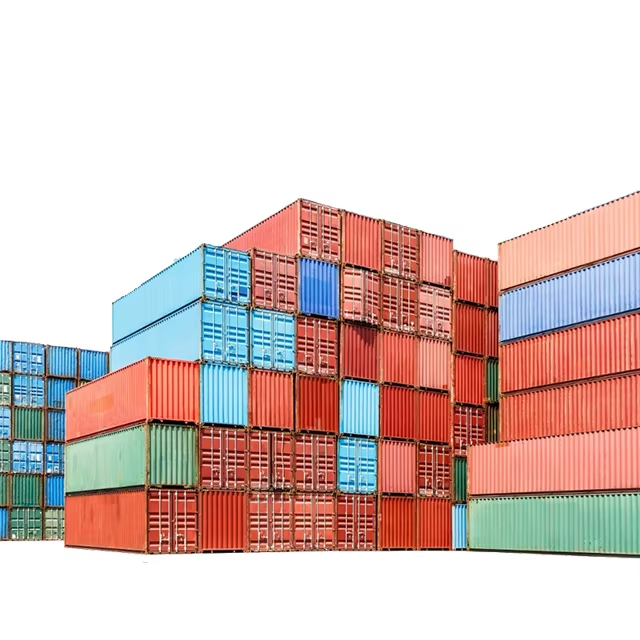
LCL vs FCL cost comparisons require careful analysis beyond basic freight rates, as LCL shipments often involve additional charges that can significantly impact total shipping costs. Base LCL rates are calculated per cubic meter or weight measurement ton, whichever is higher, providing cost advantages for smaller shipments. However, various surcharges and handling fees can accumulate throughout the shipping process.
Common LCL surcharges include consolidation fees at origin, deconsolidation charges at destination, and documentation handling costs for shared container processing. Port handling charges, customs examination fees, and delivery surcharges can vary significantly depending on destination markets and local regulations. These additional costs must be factored into total landed cost calculations to accurately compare shipping options.
The shared nature of LCL containers can also result in unexpected delays and associated costs when other shippers' cargo encounters customs issues or documentation problems. Such delays can impact inventory planning and potentially result in expedited shipping costs for replacement goods. Understanding these risk factors is essential for accurate budget planning and shipping method selection.
FCL shipping offers predictable pricing structures with fewer variable costs compared to LCL alternatives, making budget planning more straightforward for regular shippers. The dedicated container approach eliminates many of the handling fees and surcharges associated with cargo consolidation processes. Fixed container rates provide cost certainty and simplified invoicing for accounting purposes.
Volume economics make FCL increasingly attractive as shipment sizes approach container capacity utilization. The break-even point varies by trade lane and commodity type, but typically occurs when cargo occupies 60-70% of available container space. Beyond this threshold, FCL shipping often becomes more cost-effective than LCL alternatives, even without maximum container utilization.
FCL shipping also provides opportunities for inventory optimization and supply chain efficiency improvements that can offset higher upfront costs. Larger shipment volumes enable better supplier negotiations, reduced per-unit shipping costs, and improved cash flow management through strategic inventory positioning. These indirect benefits often justify FCL selection even when direct shipping costs appear higher than LCL alternatives.
The LCL vs FCL debate often centers on transit time differences, with LCL shipments typically requiring additional time for consolidation and deconsolidation processes. Origin consolidation can add 2-5 days to shipping schedules as freight forwarders collect and organize cargo from multiple shippers. This preparation time varies based on consolidation frequency and cargo availability for specific destinations.
Destination deconsolidation presents similar time challenges as containers must be unpacked, sorted, and prepared for individual delivery or pickup. Port congestion and warehouse capacity can further extend these processes, particularly during peak shipping seasons or in markets with limited infrastructure. The dependency on other shippers' compliance with documentation and customs requirements can create unexpected delays beyond the original shipper's control.
Scheduling flexibility in LCL shipping depends heavily on consolidation frequency and route popularity. High-volume trade lanes may offer weekly or bi-weekly consolidations, while smaller markets might only provide monthly service. This scheduling limitation requires careful planning and can impact inventory management strategies for businesses requiring regular replenishment cycles.
FCL shipping provides superior transit time predictability and control over shipping schedules, making it ideal for time-sensitive cargo and just-in-time supply chains. Direct container handling eliminates consolidation delays and reduces the risk of schedule disruptions caused by other shippers' cargo issues. This reliability advantage becomes particularly valuable for businesses with tight production schedules or seasonal inventory requirements.
The ability to select specific vessel sailings and routing options gives FCL shippers greater flexibility in managing delivery timelines. Priority boarding and faster port processing for full containers can further reduce overall transit times compared to shared container alternatives. These time savings often justify higher shipping costs for businesses where inventory carrying costs or stockout risks are significant.
FCL shipping also enables better coordination with inland transportation and warehouse operations through predictable arrival schedules. The reduced handling requirements and streamlined customs processes contribute to faster cargo release and final delivery. This operational efficiency can translate into reduced total supply chain costs despite higher ocean freight expenses.
LCL shipping inherently involves higher security risks due to multiple handling operations and shared container space with unknown cargo. Each consolidation and deconsolidation process creates opportunities for damage, theft, or contamination that are difficult to prevent or trace. The mixed cargo environment can expose shipments to incompatible materials or handling practices that may compromise product integrity.
Documentation complexity in LCL shipments can create vulnerabilities for customs examination and potential cargo holds that affect all container contents. When one shipper's cargo encounters regulatory issues, the entire container may be detained, impacting innocent parties' delivery schedules. This shared risk factor requires careful consideration when shipping time-sensitive or critical inventory items.
Insurance coverage and liability determination can become complicated in LCL environments where damage attribution may be difficult to establish. The multiple parties involved in cargo handling create potential gaps in responsibility and coverage that can leave shippers exposed to financial losses. Comprehensive insurance strategies become essential for protecting against these elevated risks.
Dedicated container usage in FCL shipping provides maximum cargo security through sealed container transport from origin to destination. The single-shipper environment eliminates risks associated with cargo mixing and reduces handling-related damage potential. Container seals and tracking systems offer enhanced visibility and security monitoring throughout the transportation process.
Customs processing for FCL shipments typically proceeds more efficiently due to simplified documentation and single-party responsibility. The reduced examination likelihood and faster clearance times minimize detention risks and associated storage costs. This streamlined process particularly benefits high-value or regulated commodities requiring special handling or documentation.
FCL shipping enables better cargo packing optimization and protective measures tailored to specific product requirements. Shippers can implement specialized securing methods, temperature controls, or handling instructions without compromise from shared space constraints. This control advantage is particularly valuable for fragile, hazardous, or high-value merchandise requiring specialized care.
The administrative requirements for LCL shipping involve coordination with multiple parties and complex documentation processes that can challenge inexperienced shippers. Consolidation requires precise cargo descriptions, measurements, and handling instructions to ensure proper container loading and customs compliance. The shared nature of shipments demands careful attention to compatibility requirements and regulatory restrictions.
Documentation timing becomes critical in LCL operations as delays from any shipper can impact the entire consolidation schedule. Original bills of lading, commercial invoices, and customs declarations must be submitted within tight deadlines to avoid container delays. The interdependency of shared shipments requires proactive communication and document management to prevent disruptions.
Cargo tracking and visibility can be limited in LCL shipments due to shared container environments and multiple handling points. Individual shipment identification within consolidated containers may be difficult until deconsolidation occurs at destination. This visibility limitation can complicate inventory planning and customer communication for businesses requiring detailed shipment monitoring.
FCL shipping offers streamlined documentation and operational processes through single-party responsibility and direct container control. The dedicated container approach eliminates coordination complexities and reduces documentation requirements compared to shared shipment alternatives. This operational simplicity particularly benefits businesses with limited international shipping experience or resources.
Container loading supervision and cargo securing become more manageable in FCL environments where shippers maintain complete control over packing processes. Quality control measures and damage prevention strategies can be implemented without compromise from shared space limitations. The ability to optimize container utilization for specific product characteristics provides additional operational advantages.
Real-time tracking and shipment visibility are enhanced in FCL operations through dedicated container monitoring and simplified logistics chains. Container-level tracking systems provide precise location data and estimated arrival times without the complications of shared cargo environments. This visibility advantage supports better inventory planning and customer service capabilities.
The break-even point between LCL vs FCL typically occurs when cargo occupies 60-70% of container capacity, though this varies by trade lane and commodity type. Standard 20-foot containers hold approximately 28 cubic meters, while 40-foot containers accommodate 58 cubic meters. Calculate your cargo volume and compare LCL rates per cubic meter against FCL container rates to determine the most cost-effective option.
FCL shipments generally transit 5-10 days faster than LCL alternatives due to eliminated consolidation processes. LCL requires additional time for cargo collection, container packing at origin, and unpacking/sorting at destination. FCL containers move directly through the logistics chain without intermediate handling delays, providing more predictable delivery schedules for time-sensitive shipments.
LCL shipping involves elevated risks from multiple cargo handling, shared container space with unknown goods, and dependency on other shippers' compliance. Potential issues include cross-contamination, increased damage probability, customs delays affecting entire containers, and complex insurance claims. Businesses should evaluate these risk factors against cost savings when making shipping method decisions.
Yes, many businesses successfully implement hybrid shipping strategies using LCL for smaller, less time-sensitive shipments and FCL for bulk orders or priority cargo. This approach optimizes costs while maintaining flexibility for different product categories and seasonal variations. Consider factors such as product value, urgency, volume consistency, and destination requirements when developing mixed shipping strategies.

 EN
EN



 Hot News