Comerțul global a transformat modul în care afacerile își asigură și distribuie produsele, China devenind centrul mondial al producției. Pentru companiile care doresc să importe mărfuri din China sau să-și extindă operațiunile lanțului de aprovizionare, parteneriatul cu un agent de transport fiabil din China devine esențial pentru o gestionare reușită a logisticii. Complexitatea transportului internațional, a reglementărilor vamale și a termenelor de livrare necesită expertiză, lucru pe care doar forwarderii experimentați îl pot oferi.
Piața interconectată de astăzi necesită soluții eficiente de logistică capabile să gestioneze totul, de la livrările de pachete mici până la containere complete. Indiferent dacă sunteți un antreprenor în comerț electronic care lansează o nouă linie de produse sau o corporație multinațională care gestionează lanțuri complexe de aprovizionare, înțelegerea subtilităților serviciilor de transport din China poate avea un impact semnificativ asupra profitabilității dvs. Operatorii de transport profesional oferă soluții complete care facilitează întregul proces de expediere, asigurând în același timp conformitatea cu reglementările internaționale privind comerțul.
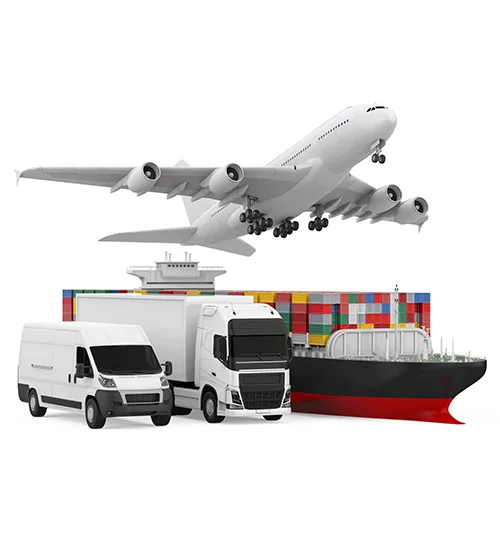
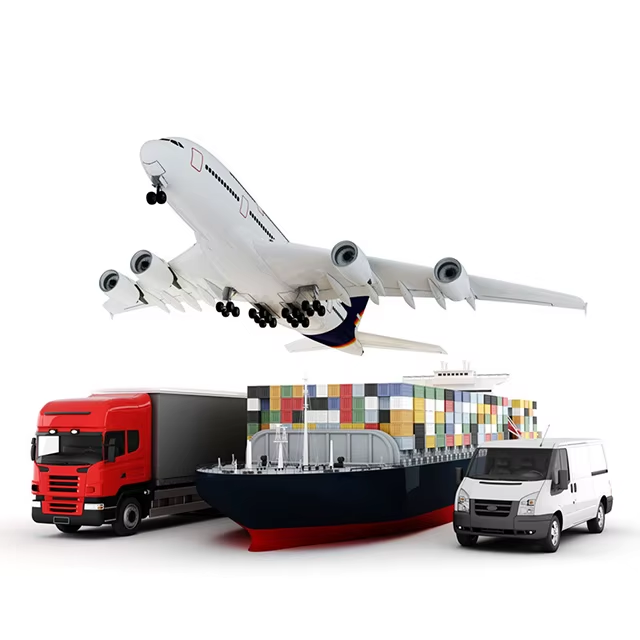
Furnizorii profesioniști de servicii de transport maritim din China oferă soluții logistice complet integrate, care acoperă toate aspectele procesului de expediere. Aceste servicii includ în mod tipic consolidarea mărfurilor, gestionarea documentației, vămuirea și coordonarea livrării finale. Un agent de transport competent din China va gestiona mai multe metode de transport, inclusiv transport aerian, transport maritim și servicii de curierat rapid, permițând companiilor să aleagă variantele cele mai eficiente din punct de vedere al costurilor și timpului pentru nevoile lor specifice.
Transportul modern depășește simplele aranjamente de transport. Aceste companii oferă servicii adiționale precum inspecții de control al calității, asistență în aprovizionarea produselor și soluții de depozitare. Ele mențin parteneriate strategice cu principalele companii aeriene, linii de transport maritim și firme de transport terestru, ceea ce le permite să negocieze tarife competitive și să asigure programări fiabile de transport chiar și în sezoanele de vârf.
Transportul internațional implică diverse termene de livrare care definesc responsabilitățile dintre cumpărători și vânzători. Termenii FOB (Free on Board), DDU (Delivered Duty Unpaid) și DDP (Delivered Duty Paid) reprezintă diferite niveluri de servicii și distribuție a responsabilităților. În cazul termenilor FOB, cumpărătorii trebuie să gestioneze transportul internațional și eliberarea vamală, în timp ce DDP oferă un serviciu complet „de la ușă la ușă” inclusiv toate taxele și impozitele.
Livrarea prin Amazon FBA (Fulfillment by Amazon) a devenit din ce în ce mai populară printre vânzătorii de comerț electronic. Forwarderii specializați în FBA cunosc cerințele stricte ale Amazon privind etichetarea, ambalarea și livrarea către centrele de expediție. Ei asigură respectarea tuturor standardelor de conformitate și optimizează costurile de transport prin expedieri consolidate și trasee strategice.
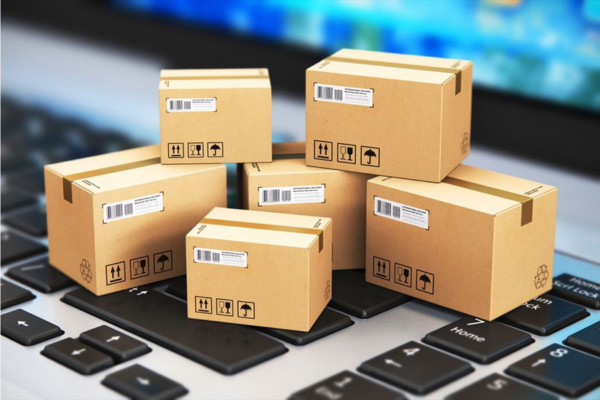
Serviciile de transport aerian rapid oferă cea mai rapidă soluție de livrare pentru expedițiile urgente, cu timpi de livrare care variază în mod tipic între 3 și 7 zile lucrătoare, în funcție de destinație. Aceste servicii folosesc rețelele principalilor operatori expres pentru a asigura o urmărire fiabilă și o livrare promptă. Opțiunile de transport prioritar echilibrează viteza și costul, fiind ideale pentru afaceri care necesită livrare mai rapidă decât transportul aerian standard, dar nu au nevoie de prețul premium al serviciilor expres.
Sistemele avansate de urmărire oferă vizibilitate în timp real pe tot parcursul procesului de expediere. Urmărirea prin GPS, notificările automate și documentația digitală facilitează comunicarea între expeditori, forwarderi și destinatari. Aceste tehnologii reduc întârzierile, minimizează pierderea coletelor și îmbunătățesc satisfacția generală a clienților prin oferirea unor estimări precise ale momentului de livrare și rezolvarea proactivă a problemelor.
Transportul maritim rămâne cea mai economică opțiune pentru livrările de mare volum, fiind disponibile transporturi cu container complet (FCL) și transporturi parțiale (LCL) pentru a se adapta diferitelor dimensiuni ale expedierilor. Agentii profesioniști de transport optimizează utilizarea containerelor prin servicii strategice de consolidare, reducând costurile unitare de transport pentru importatorii mai mici. Transportul pe cale maritimă necesită în mod tipic între 15 și 45 de zile, în funcție de portul destinație și ruta de transport.
Transportul cu container presupune o coordonare complexă a logisticii, inclusiv manipularea în port, programarea vaselor și transportul intermodal. Forwarderii experimentați mențin relații cu multiple companii de navigație, permițându-le să rezerve spațiu în perioadele de restricție a capacității și să negocieze tarife avantajoase pentru clienții lor. Ei oferă, de asemenea, supraveghere la încărcarea containerelor și opțiuni de asigurare a mărfurilor pentru a proteja livrările valoroase în timpul transportului.
Reglementările vamale reprezintă una dintre cele mai complexe aspecte ale transportului internațional, necesitând cunoștințe detaliate despre reglementările privind importul, calculul taxelor vamale și cerințele de documentare. Operatorii profesioniști de transport utilizează brokeri vamali autorizați care înțeleg nuanțele politicilor comerciale diferitelor țări. Ei se asigură că toate livrările respectă cerințele regulatorii, minimizând întârzierile și evitând penalitățile costisitoare.
Exactitatea documentației este esențială pentru o procesare vamală fluentă. Documentele necesare includ de obicei facturile comerciale, listele de împachetare, scrisorile de transport, certificatele de origine și diverse autorizații, în funcție de categoriile de produse. Operatorii experimentați agent de transport china mențin baze de date cuprinzătoare cu cerințele de documentare pentru diferite țări și tipuri de produse, asigurând conformitatea și accelerarea proceselor de eliberare vamală.
Taxele vamale și impozitele au un impact semnificativ asupra costului total al mărfurilor livrate, făcând optimizarea taxelor un serviciu esențial pentru importatorii conștienți de costuri. Forwarderii experimentați analizează clasificările produselor, cerințele privind țara de origine și acordurile comerciale disponibile pentru a reduce expunerea la taxe. Ei oferă calcule precise ale taxelor în timpul procesului de ofertare, permițând afacerilor să ia decizii informate cu privire la aprovizionarea produselor și strategiile de preț.
Utilizarea acordurilor comerciale poate duce la economii substanțiale de taxe pentru produsele eligibile. Acordurile de liber schimb, regimurile preferențiale de comerț și zonele economice speciale oferă rate reduse de taxe pentru livrările eligibile. Agentii profesioniști de transport mențin actualizate cunoștințele despre politicile comerciale în schimbare și ajută clienții să profite de oportunitățile disponibile de reducere a taxelor, respectând în același timp toate cerințele privind originea.
Obținerea celor mai mici tarife de transport necesită planificare strategică și consolidarea volumelor. Forwarderii profesioniști își folosesc volumele de transport pentru a negocia tarife competitive cu operatorii, transmitând economiile clienților lor. Ei analizează diferite opțiuni de trasee, combinații de operatori și niveluri de serviciu pentru a identifica cele mai eficiente soluții din punct de vedere al costurilor pentru fiecare livrare.
Fluctuațiile sezoniere ale tarifelor și restricțiile de capacitate afectează în mod semnificativ costurile de transport, în special în perioadele de vârf precum Anul Nou Chinezesc și sezoanele de expedieri dinaintea sărbătorilor. Agenții experimentați de transport ajută clienții să-și planifice livrările în jurul acestor perioade, asigurând rezervări anticipate la tarife avantajoase și evitând prețurile majorate în perioadele de mare cerere. De asemenea, oferă informații de piață privind tendințele tarifare și prognozele de capacitate pentru a sprijini deciziile de planificare strategică.
Echilibrarea costurilor și a nivelului de serviciu necesită o analiză atentă a cerințelor comerciale și a așteptărilor clienților. Diferitele metode de transport oferă combinații variate de viteză, fiabilitate și cost, ceea ce face ca selecția serviciului să fie esențială pentru succesul operațional. Operatorii profesioniști de transport evaluează factori precum valoarea produsului, sensibilitatea la timp și cerințele destinației pentru a recomanda soluții optime de livrare.
Urmărirea indicatorilor de performanță ajută la identificarea oportunităților de îmbunătățire și la asigurarea respectării acordurilor privind nivelul de serviciu. Indicatorii cheie de performanță includ ratele de livrare la timp, ratele de deteriorare, timpii de eliberare vamală și scorurile de satisfacție ale clienților. Reviziile periodice ale performanței permit o îmbunătățire continuă și contribuie la menținerea unor niveluri de serviciu competitive, controlând în același timp costurile.
Transportul modern de mărfuri se bazează în mare măsură pe platforme digitale care se integrează cu sistemele clienților de planificare a resurselor întreprinderii și cu platformele de comerț electronic. Aceste integrări automatizează procesarea comenzilor, generează etichete de expediere și oferă actualizări în timp real privind stocurile. Conexiunile API permit schimbul fluent de date între diferite sisteme, reducând introducerea manuală a datelor și minimizând erorile.
Sistemele cloud de gestionare a logisticii oferă soluții scalabile care cresc odată cu nevoile în expansiune ale afacerilor. Aceste platforme oferă funcționalități precum căutarea automată a tarifelor, urmărirea livrărilor, gestionarea documentelor și analiza performanței. Aplicațiile mobile permit părților interesate să acceseze informațiile despre livrări și să gestioneze operațiunile logistice de oriunde, îmbunătățind reactivitatea și serviciul clienți.
Analiza avansată ajută la optimizarea rutelor de transport și la previziunea întârzierilor potențiale înainte ca acestea să afecteze programul livrărilor. Algoritmii de învățare automată analizează datele istorice privind transportul, modelele meteorologice și performanța transportatorilor pentru a recomanda decizii optime de traseu. Analiza predictivă permite rezolvarea proactivă a problemelor și ajută la menținerea unei performanțe constante a livrărilor, chiar și în condiții dificile.
Algoritmii de optimizare a traseelor iau în considerare mai multe variabile, inclusiv distanța, timpii de tranzit, costurile și cerințele de serviciu, pentru a identifica cele mai eficiente căi de expediere. Aceste sisteme învață în mod continuu din datele de performanță și ajustează recomandările în funcție de condițiile schimbătoare. Funcțiile de rutare dinamică permit ajustări în timp real atunci când apar perturbări, minimizând întârzierile și menținând calitatea serviciului.
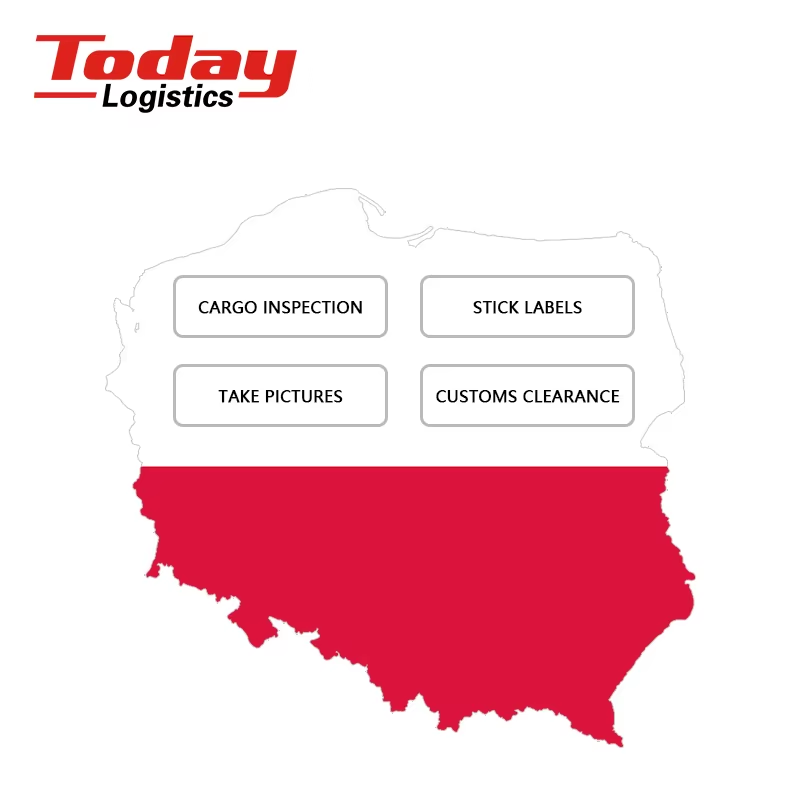
Serviciile de control al calității ajută la asigurarea conformității produselor cu specificațiile înainte de livrare, reducând riscul returnărilor și nemulțumirii clienților. Serviciile profesionale de inspecție includ inspecții înainte de producție, monitorizare în timpul procesului de producție și inspecții finale aleatorii. Aceste servicii sunt deosebit de valoroase pentru afacerile care lucrează cu furnizori noi sau lansează produse noi, unde consistența calității este esențială.
Rapoartele complete de inspecție documentează calitatea produselor, condițiile de ambalare și conformitatea cu specificațiile. Platformele digitale de inspecție oferă acces în timp real la rezultatele inspecțiilor, inclusiv fotografii și măsurători detaliate. Această transparență permite cumpărătorilor să ia decizii informate privind acceptarea livrărilor și să identifice eventuale probleme de calitate înainte ca produsele să ajungă la destinația finală.
Asigurarea mărfurilor protejează împotriva pierderilor financiare cauzate de deteriorare, furt sau pierdere în timpul transportului. Forwarderii profesioniști oferă opțiuni cuprinzătoare de asigurare care acoperă diverse scenarii de risc, inclusiv pretenții de avarie comună, întârzieri ale navei și dezastre naturale. Acoperirea asigurării trebuie adaptată valorii produselor și expunerii specifice la riscuri asociate cu diferitele rute și metode de transport.
Evaluarea riscurilor implică analizarea posibilelor perturbări din întreg lanțul de aprovizionare și elaborarea unor planuri de rezervă pentru a minimiza impactul acestora. Agenturile profesionale de transport monitorizează evenimentele globale, fenomenele meteorologice și evoluțiile politice care ar putea afecta operațiunile de transport. Ele mențin opțiuni alternative de traseu și relații cu transportatori pentru a asigura continuitatea în perioadele de perturbare.
Costurile de transport depind de mai mulți factori importanți, inclusiv greutatea și dimensiunile expedierii, țara destinație, metoda de livrare aleasă și fluctuațiile cererii sezoniere. Transportul aerian este în general mai scump decât cel maritim, dar oferă timpi de livrare mai rapizi. Alți factori includ suprataxele pentru combustibil, cursurile de schimb valutar, taxele vamale și cerințele speciale de manipulare pentru anumite categorii de produse. Operatorii profesioniști de transport analizează aceste variabile pentru a oferi estimări precise ale costurilor și pentru a recomanda soluțiile de expediere cele mai economice.
Timpul de livrare variază semnificativ în funcție de metoda de transport și destinație. Serviciile aeriene exprese livrează în mod tipic în 3-7 zile lucrătoare către principalele orașe din întreaga lume. Transportul aerian standard durează de obicei 7-15 zile, inclusiv vămuirea. Transportul maritim durează între 15 și 45 de zile, în funcție de portul de destinație și ruta de transport. Factori precum timpul necesar prelucrării vamale, completitudinea documentației și restricțiile sezoniere de capacitate pot influența aceste termene.
Documentele esențiale includ facturile comerciale care detaliază descrierile și valorile produselor, liste de împachetare care afișează conținutul și greutățile livrărilor, scrisorile de transport sau scrisorile de însoțire aeriană ca acte contractuale de transport, precum și certificatele de origine, atunci când sunt necesare pentru preferințele vamale. Alte documente pot include licențe de import, certificate ale produselor, rapoarte de inspecție și certificate de asigurare, în funcție de categoriile de produse și de cerințele țării destinație. Forwarderii profesioniști asigură o pregătire corectă a tuturor documentelor necesare și depunerea lor la timp.
Conformitatea necesită colaborarea cu operatori de transport experiți care înțeleg reglementările privind comerțul internațional și mențin o cunoaștere actualizată a cerințelor în continuă schimbare. Aceasta include clasificarea corectă a produselor în scopuri vamale, declarații precise de evaluare, conformitatea cu restricțiile impuse de țări la import și respectarea cerințelor privind ambalarea și etichetarea. Auditurile regulate de conformitate și menținerea la curent cu modificările reglementare contribuie la păstrarea unei conformități constante pentru toate livrările.

 EN
EN


 Știri recente