Shipping goods from China to global markets requires a combination of strategic planning, reliable partners, and clear operational processes. Many companies expand their sourcing in China because of competitive manufacturing advantages, but international shipping remains complex for beginners and experienced importers alike. Understanding how to work with a freight forwarder is an essential first step, because the right freight forwarder helps simplify customs procedures, optimize transportation schedules, and protect your supply chain. A high-quality freight forwarder also ensures that each shipment complies with destination regulations and keeps you updated throughout the journey. When shipping goods from China around the world, following professional guidance significantly increases efficiency and reduces risk. Businesses that handle electronics, textiles, machinery, home goods, or bulk commodities all rely on freight forwarder services to connect with global customers. Whether you run a small business or operate at scale, having a structured approach to international logistics can make your entire shipping operation smoother and more predictable. This article provides comprehensive freight forwarder tips, practical steps, and strategic recommendations to help you ship goods from China with confidence.
When selecting a freight forwarder, one of the first things to evaluate is the company’s operational capability. A professional freight forwarder that manages large volumes from China typically has well-established relationships with major carriers, customs offices, and local warehouses. These relationships help ensure smooth scheduling and stable freight rates across different transportation modes. A capable freight forwarder also offers detailed shipment tracking, proactive communication, and cargo handling solutions that match your product’s specific requirements. Some companies may claim to provide similar services, but a truly strong freight forwarder demonstrates consistency, fast response times, and strong problem-solving skills during unexpected logistics conditions. By focusing on proven performance indicators, you can filter out less reliable providers and choose a partner aligned with your business goals.
Another essential factor is the freight forwarder’s quotation structure. A trustworthy freight forwarder offers clear and transparent pricing, explaining how shipping costs are calculated based on cargo type, weight, volume, and destination. Transparent pricing helps prevent surprise fees related to customs clearance, documentation, storage, demurrage, or destination handling. A professional freight forwarder also provides breakdowns for sea freight, air freight, express shipping, and intermodal transportation so you can compare options based on delivery time and cost. Companies that specialize in worldwide shipping from China often tailor solutions to your business model, reducing unnecessary expenses and improving cost control. By assessing transparency early in the selection process, you ensure smoother long-term cooperation.
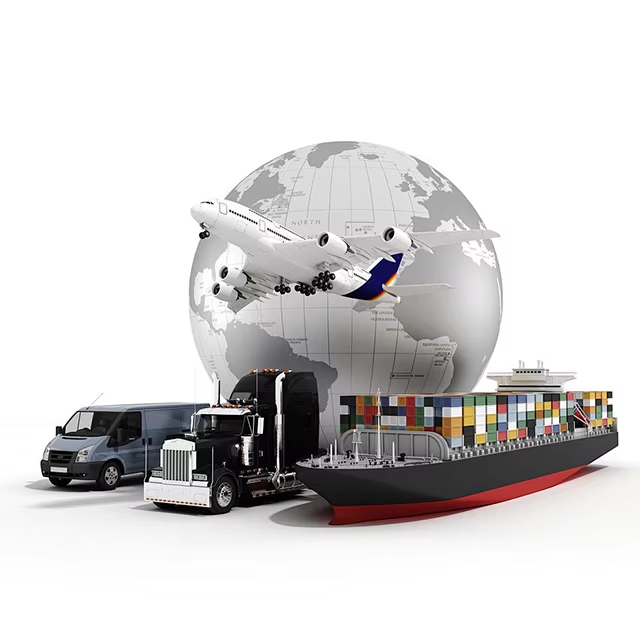
Before you can effectively work with a freight forwarder, you must have a clear understanding of your own shipping needs. This includes identifying cargo dimensions, estimated volumes, loading methods, special handling requirements, and delivery expectations. When you provide accurate information, the freight forwarder can help select the right transportation method—whether it is LCL, FCL, air freight, courier service, or cross-border rail. Businesses that ship goods from China around the world benefit greatly when they share detailed specifications because it minimizes misunderstandings and ensures accurate routing. A freight forwarder may also advise on packaging standards and documentation requirements that support smooth customs clearance. Defining clear needs ensures that the entire shipping process aligns with your operational goals.
When goods are manufactured in China, timing directly affects shipping outcomes. A reliable freight forwarder helps coordinate your production schedule with available vessel or flight departures to minimize delays. Manufacturing lead times, seasonal shipping surges, and port congestion can all influence the timing of international shipments. Businesses that work closely with a freight forwarder can adjust loading schedules, book space earlier, and avoid costly disruptions. Coordinating schedules in advance also helps your freight forwarder select more efficient routes, reduce idle warehouse time, and maintain consistent delivery performance. This integrated planning creates a stable foundation for cross-border logistics.
Sea freight remains one of the most cost-effective ways to ship goods from China to international markets. A freight forwarder typically provides both full container load and less-than-container load services to match different cargo volumes. Containers such as 20GP, 40GP, and 40HQ are widely used for bulk shipping, offering flexibility for various industries. Sea freight is suitable for heavy products, large orders, and items that do not require rapid delivery. A professional freight forwarder helps you select the most efficient shipping routes, manage container loading, prepare export documentation, and coordinate customs clearance on arrival. Although transit times are longer, sea freight is an excellent shipping strategy for businesses that plan ahead and require stable transportation costs. Your freight forwarder ensures that the container moves safely and reaches the destination without unnecessary delays.
Air freight provides faster delivery when shipping goods from China to regions such as North America, Europe, and Southeast Asia. A freight forwarder that manages air shipments offers services including airport-to-airport, door-to-airport, or door-to-door delivery. Air freight is ideal for high-value or urgent cargo, including electronics, fashion items, or medical supplies. Due to strict airline regulations, your freight forwarder ensures proper packaging, labeling, and compliance with safety standards. In addition, air freight requires precise coordination with customs and security inspections, which a skilled freight forwarder handles efficiently. Although air freight is more expensive, it minimizes transit time and provides high security for time-sensitive shipments. This method delivers strong advantages when rapid replenishment or quick market entry is required.
Proper documentation is essential when working with a freight forwarder to ship goods from China around the world. The primary documents include the commercial invoice, packing list, bill of lading or air waybill, and certificates required by the destination country. A freight forwarder helps prepare and verify these documents to prevent customs delays or penalties. The accuracy of product descriptions, HS codes, declared values, and origin information directly affects the success of your shipment. A professional freight forwarder ensures that all records comply with Chinese export regulations as well as the import requirements of your target market. By managing documentation thoroughly, you reduce risk and maintain smooth customs clearance procedures.
Compliance with international regulations is a critical part of global shipping. A knowledgeable freight forwarder understands customs policies, product restrictions, tariffs, and packaging standards in each market. Some countries require permits for batteries, food items, chemicals, or restricted materials. Your freight forwarder provides guidance to avoid shipping prohibited items and ensures that your cargo meets compliance standards. In addition, the freight forwarder helps you calculate duties and taxes accurately and prepares import documentation to avoid costly delays. Compliance protects your business from regulatory issues and strengthens your reputation as a reliable global exporter.
Shipping goods from China across oceans and borders involves unavoidable risks, including weather disruptions, handling errors, or transportation accidents. A freight forwarder typically offers cargo insurance options that protect the value of your goods during transit. Cargo insurance covers loss, damage, and unforeseen incidents, ensuring that your financial exposure remains limited. Businesses often underestimate the importance of insurance, but experienced freight forwarders encourage coverage to reduce economic risk. The insurance cost is relatively low compared to the value of the shipment, making it a necessary component of global logistics planning. With insurance arranged through your freight forwarder, you gain peace of mind throughout the shipping journey.
Proper packaging is essential for successful delivery, especially when shipping goods from China to far-distance destinations. A freight forwarder often provides packaging guidelines or recommends packaging service providers who specialize in export-grade solutions. Export packaging must withstand long transportation routes, humidity changes, stacking pressure, and port handling activities. Strong cartons, pallets, reinforced corners, shock-absorption materials, and moisture protection are commonly recommended. A professional freight forwarder ensures that cargo is loaded correctly into containers, reducing the risk of shifting or impact damage. Secure packaging combined with structured handling procedures significantly increases the safety of your shipment.
Clear communication is essential for smooth coordination when shipping goods from China around the world. A high-quality freight forwarder responds quickly, provides full shipment visibility, and updates you proactively during each stage of transport. Businesses benefit when they share accurate forecasts and inventory plans, allowing the freight forwarder to prepare routes and book space in advance. Good communication also helps resolve issues such as customs inspections or transportation delays. When both sides maintain transparency, the logistics chain operates with greater reliability, reducing disruptions and improving delivery performance.
Modern freight forwarders often use digital platforms to manage bookings, documentation, and cargo tracking. These platforms allow you to monitor shipments in real time and access documents when needed. Businesses that use digital tools gain better control over their supply chains and reduce manual documentation errors. Some forwarders also provide automated updates, route optimization systems, and data-based analysis to support decision-making. By using technology, the freight forwarder strengthens coordination and enhances operational efficiency. Digital solutions support stable communication and improve the overall logistics experience.
A freight forwarder simplifies international shipping by managing booking, documentation, customs procedures, carrier coordination, and delivery. They also provide guidance on compliance, reduce the risk of paperwork errors, and handle unexpected logistical challenges. Businesses benefit from professional oversight and a more organized supply chain.
The best shipping method depends on cargo type, delivery speed, and budget requirements. Sea freight suits bulk and cost-sensitive shipments, air freight supports time-critical delivery, and express shipping is ideal for small parcels. A freight forwarder evaluates your needs and recommends the most efficient solution.
Documentation ensures compliance with both export and import regulations. Proper documents prevent customs delays, reduce fines, and support accurate duty assessments. A freight forwarder helps prepare accurate invoices, packing lists, and certificates to ensure smooth customs clearance.

 EN
EN



 Hot News