Planning effective air freight shipments requires careful coordination of multiple logistics elements to ensure your cargo reaches its destination safely, on time, and within budget. Modern businesses rely heavily on air transport for time-sensitive deliveries, high-value goods, and critical supply chain components that cannot afford delays. Understanding the complexities of air freight logistics helps companies make informed decisions about shipping methods, carrier selection, and cost optimization strategies. Whether you're shipping electronics from Asia to Europe or medical supplies across continents, proper planning forms the foundation of successful international trade operations.
Air cargo services operate through several distinct categories, each designed to meet specific shipping requirements and timeline constraints. Express services provide the fastest delivery options, typically guaranteeing next-day or two-day delivery for urgent shipments across major international routes. Standard air freight offers a balanced approach between speed and cost, with transit times ranging from three to seven days depending on destination and routing complexity. Consolidated services group multiple shipments together to reduce costs while maintaining reasonable delivery schedules for less time-sensitive cargo.
Charter flights represent the premium option for oversized cargo, extremely urgent deliveries, or situations requiring dedicated aircraft capacity. These services provide maximum flexibility in scheduling and routing but command significantly higher rates than commercial cargo flights. Understanding these service levels helps businesses select the most appropriate option based on their specific requirements for delivery speed, cargo characteristics, and budget constraints.
Different aircraft types impose varying restrictions on cargo dimensions, weight limits, and handling capabilities that directly impact shipping planning. Wide-body aircraft like Boeing 747 freighters can accommodate large palletized cargo and oversized items, while narrow-body planes typically handle smaller packages and express shipments. Cargo compartment configurations vary significantly between aircraft models, affecting how goods must be packaged and loaded for transport.
Weight restrictions include both maximum gross weight limits and volumetric weight calculations that can impact pricing structures. Airlines apply dimensional weight formulas to prevent loading aircraft with bulky but lightweight cargo that doesn't utilize the plane's weight capacity efficiently. These calculations often surprise first-time shippers who discover that large, lightweight items cost more than expected due to space utilization factors rather than actual weight.
Proper documentation forms the backbone of successful air freight operations, with missing or incorrect paperwork causing costly delays and potential cargo rejection. The Air Waybill serves as the primary contract between shipper and carrier, containing detailed information about cargo contents, routing instructions, and liability terms. Commercial invoices must accurately reflect cargo value and description for customs clearance purposes, while packing lists provide detailed breakdowns of shipment contents for security and customs inspection processes.
Certificates of origin may be required for preferential duty treatment under various trade agreements, while export licenses become necessary for controlled goods or restricted destinations. Insurance documentation protects against loss or damage during transit, though coverage terms vary significantly between policies. Maintaining accurate records and ensuring document consistency across all paperwork prevents administrative complications that can delay shipments for days or weeks.
Customs regulations vary dramatically between countries and can change frequently based on political situations, trade agreements, and security concerns. Harmonized Tariff Schedule codes must be accurately assigned to classify goods for duty assessment and regulatory compliance purposes. Some products require additional permits, certifications, or inspections before customs clearance, particularly for food products, medical devices, or items containing restricted materials.
Declared values must reflect actual cargo worth to avoid customs penalties while considering duty implications and insurance coverage needs. Pre-clearance programs in some countries allow advance processing of documentation to expedite cargo release upon arrival. Understanding destination country requirements before shipping prevents costly delays and ensures smooth customs clearance processes that keep supply chains moving efficiently.
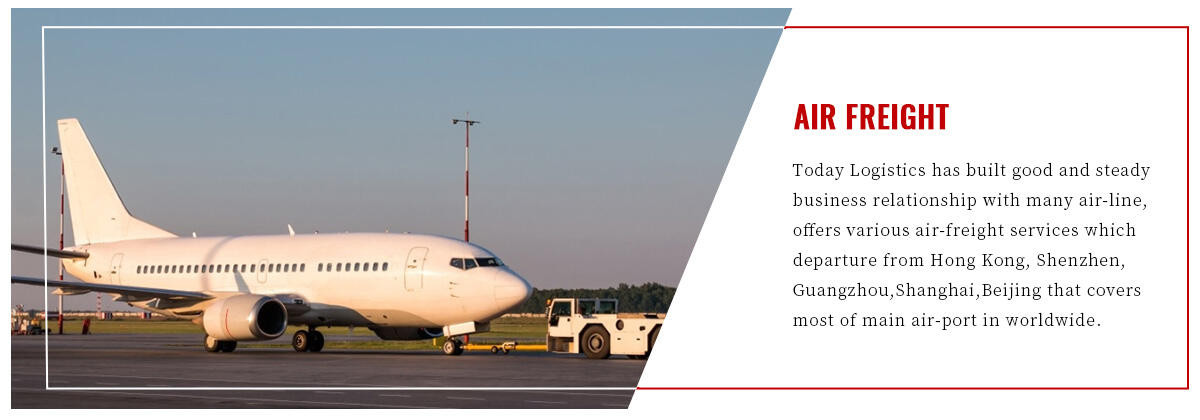
Air freight pricing operates through complex rate structures that incorporate multiple variables including route popularity, seasonal demand fluctuations, fuel surcharges, and security fees. Published tariff rates serve as starting points for negotiations, but actual pricing often depends on shipment volume, frequency, and carrier relationships. Spot market rates can offer significant savings for flexible shippers willing to adjust timing based on capacity availability.
Consolidated shipment options reduce costs by sharing aircraft space with other shippers, though this approach may extend transit times compared to direct services. Volume discounts become available for shippers committing to minimum monthly tonnage levels or establishing long-term contracts with preferred carriers. Understanding these pricing mechanisms enables businesses to structure their air freight shipments for maximum cost efficiency while meeting delivery requirements.
Efficient packaging directly impacts shipping costs through dimensional weight calculations and space utilization factors that airlines use for pricing purposes. Right-sizing packages eliminates wasted space while ensuring adequate protection for cargo during handling and transport processes. Standardized packaging dimensions that align with aircraft cargo compartment configurations maximize space efficiency and may qualify for preferential pricing tiers.
Palletization strategies can reduce handling costs and improve cargo security while facilitating faster loading and unloading operations at airports. Weight distribution considerations prevent aircraft balance issues that could require cargo repositioning or splitting across multiple flights. These packaging optimizations often yield significant cost savings while improving delivery reliability and reducing damage risks during transport.
Accurate transit time planning requires understanding multiple factors beyond simple flight duration, including ground handling procedures, customs clearance requirements, and potential delays at origin and destination airports. Connection times for multi-leg flights can add several hours or days to total transit time, particularly when cargo must clear customs at intermediate stops. Weekend and holiday schedules significantly impact delivery timing, as many customs offices and cargo handling facilities operate reduced hours during non-business periods.
Weather conditions can disrupt flight schedules and cause cascading delays throughout the air cargo network, making buffer time essential for critical shipments. Peak shipping seasons like pre-holiday periods often experience capacity constraints that extend normal transit times and increase costs. Building realistic timelines that account for these variables prevents disappointment and allows for contingency planning when delays occur.
Effective air freight planning requires seamless coordination between multiple parties including suppliers, freight forwarders, customs brokers, and final delivery services. Advance notification systems ensure all parties understand shipment schedules and can prepare accordingly for smooth handoffs at each stage. Electronic tracking systems provide real-time visibility into shipment status, enabling proactive communication when delays or issues arise.
Pre-arrival notifications allow consignees to prepare for cargo receipt and arrange necessary equipment or personnel for unloading operations. Integration with inventory management systems helps coordinate arrival timing with production schedules and storage capacity availability. These coordination efforts minimize delays and ensure efficient cargo flow from origin to final destination.
Comprehensive risk assessment identifies potential threats to cargo during air transport including physical damage, theft, contamination, and weather exposure. Proper packaging and labeling protect goods from handling damage while clearly identifying fragile or hazardous items requiring special care. Temperature-controlled shipments need continuous monitoring and backup systems to maintain product integrity throughout the transport chain.
Security measures have intensified following global terrorism concerns, with enhanced screening procedures and chain-of-custody requirements adding complexity to shipping processes. Known shipper programs can expedite security clearance for established customers with proven track records. Understanding these security requirements and building them into planning timelines prevents last-minute complications that could delay shipments.
Air cargo insurance provides financial protection against loss or damage during transport, though coverage terms and exclusions vary significantly between policies. Standard carrier liability offers minimal protection based on weight rather than actual cargo value, making additional insurance essential for valuable shipments. All-risk coverage provides comprehensive protection but includes specific exclusions for war, strikes, and inherent vice that shippers should understand before purchasing coverage.
Declared value limits affect both insurance premiums and potential claim settlements, requiring careful consideration of actual cargo worth versus insurance costs. Some policies include coverage for delay-related expenses like storage fees or expedited shipping costs when original flights are cancelled. Reviewing insurance terms before shipping ensures adequate protection and prevents surprises during claim processes.
Electronic documentation systems streamline air freight processes by reducing paperwork errors and expediting information exchange between parties. Digital Air Waybills eliminate paper-based processes while providing enhanced tracking capabilities and reduced processing times at airports. Electronic customs declarations integrate with government systems for faster clearance processing and reduced manual intervention requirements.
Cloud-based platforms enable real-time document sharing and collaboration between international partners across different time zones. Automated compliance checking systems flag potential documentation issues before shipment departure, preventing costly delays at destination airports. These digital solutions improve accuracy while reducing administrative burdens for frequent shippers managing multiple concurrent shipments.
Advanced tracking technologies provide unprecedented visibility into cargo location and condition throughout the transport process. GPS tracking systems monitor shipment progress in real-time, while environmental sensors record temperature, humidity, and shock exposure for sensitive cargo types. Automated exception notifications alert stakeholders immediately when deviations from planned schedules or environmental parameters occur.
Integration with enterprise resource planning systems enables automatic updates to inventory and production planning systems based on actual shipment progress. Predictive analytics use historical data and current conditions to forecast potential delays and suggest alternative routing options. These monitoring capabilities enable proactive management of air freight operations and improved customer service through accurate delivery predictions.
Air freight costs depend primarily on cargo weight, dimensions, destination distance, service speed requirements, and current market demand. Dimensional weight calculations often override actual weight for lightweight but bulky items, while fuel surcharges fluctuate based on oil prices. Route popularity affects pricing, with less common destinations typically commanding higher rates due to limited flight options and lower cargo volumes.
Most air freight shipments require 2-5 days advance planning for standard service, though express options may accommodate same-day bookings at premium rates. Complex shipments involving hazardous materials, oversized cargo, or restricted destinations need 5-10 days advance notice to arrange proper documentation and special handling requirements. Peak season periods may require several weeks advance booking to secure capacity at reasonable rates.
Essential documentation includes the Air Waybill, commercial invoice, packing list, and export declaration for customs clearance purposes. Depending on cargo type and destination, additional documents like certificates of origin, export licenses, or product certifications may be required. Insurance documentation, while not legally required, provides crucial protection against loss or damage during transport and should be considered essential for valuable shipments.
Minimizing delays requires accurate documentation preparation, proper packaging that meets carrier requirements, and advance coordination with all supply chain partners. Using established freight forwarders with strong carrier relationships and customs expertise reduces processing times and resolves issues more quickly. Building buffer time into delivery schedules accommodates normal variations in transit times while maintaining customer satisfaction levels.

 EN
EN




 Hot News