Kuptimi i kostos reale për të dërguar në magazinat e Amazon FBA kërkon një analizë të kujdesshme të shumë kategorive të shpenzimeve që kanë ndikim direkt në marzhin e fitimit tuaj. Pavarësisht nëse po bleni produkte nga Kina, Evropa apo furnitorë vendorë, pasojat financiare të tarifave të transportit, detyrimeve doganore dhe mbulimit të sigurimeve mund të ndikojnë në mënyrë të konsiderueshme në rezultatin përfundimtar. Shpesh herë shitësit e Amazon-i nënvlerësojnë këto shpenzime kritike të transportit, gjë që çon në strategji çmimesh që ulin rentabilitetin dhe pozicionimin konkurrues në treg.
Kompleksiteti i kushteve të transportit ndërkombëtar shtrihet përtej llogaritjeve të thjeshta për kilogram, duke përfshirë tarifa për zbatimin e rregullores, kushte manipulimi dhe fluktuacione sezonale që shitësit me përvojë mësojnë t'i parashikojnë. Logjistika moderne FBA kërkon planifikim të sofistikuar për optimizimin e shtigjeve të transportit, ndërkohë që ruhet efikasiteti kosto efektiv në kategoritë e ndryshme të produkteve. Vendimet strategjike të transportit ndikojnë në shpejtësinë e inventarit, tarifat e depozitimit dhe në fund vendosin nëse biznesi juaj në Amazon arrin rritje të qëndrueshme apo përballet me marzha të ngushta që kufizojnë mundësitë e reinvestimit.
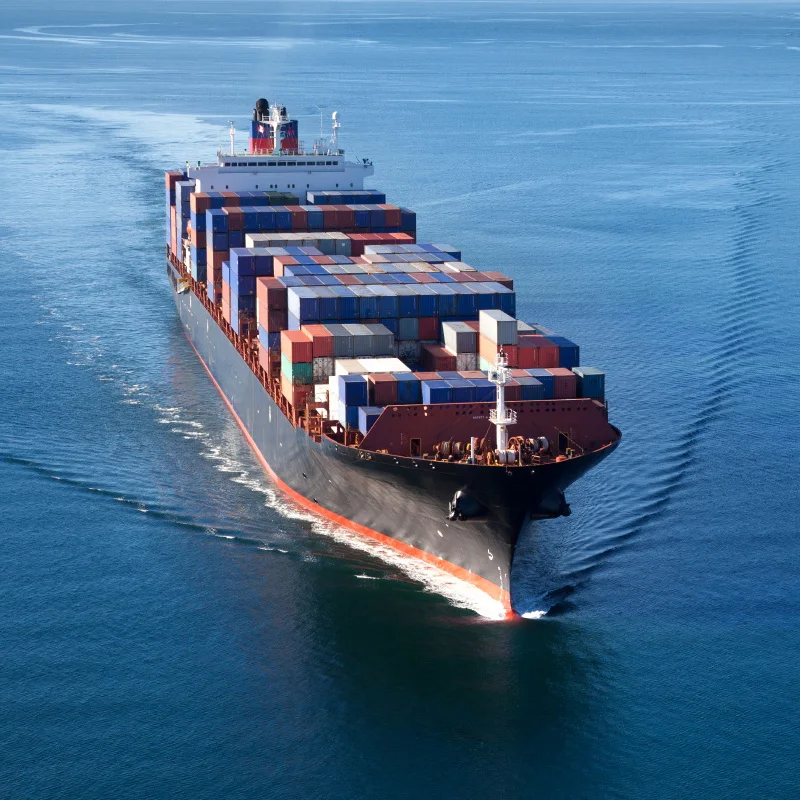
Transporti detar përfaqëson opsionin më të ekonomik për dërgesa të mëdha, duke kërkuar zakonisht nga 800$ deri në 2.500$ për kontejner njëzet metrash nga portet kryesore aziatike drejt destinacioneve në SHBA. Eficenca e përdorimit të kontejnerit bëhet e rëndësishme gjatë llogaritjes së kushteve për njësi, pasi ngarkesat pjesore kanë tarifa shumë më të larta përmes aranzhmaneve me ngarkesë më të vogël se kontejner i plotë. Shitësit me përvojë optimizojnë hapësirën e kontejnerit përmes lidhjeve strategjike të produkteve dhe planifikimit të inventarit që maksimalizon përdorimin e kubit të këmbës, respektuar kërkesat për shpërndarjen e peshës.
Transporti me ajër kërkon çmime premium, por ofron kohë tranziti më të shpejta, të domosdoshme për rimëkëmbjen e inventarit në kohë të caktuar ose lansimin e produkteve. Kostot tipike të transportit me ajër variojnë nga 4 deri në 8 dollarë për kilogram, me shërbime ekspres që arrijnë nga 12 deri në 15 dollarë për kilogram për dorëzim të shpejtuar në magazinat e Amazon. Llogaritjet e peshës volumetrike zbatohen shpesh gjatë dërgesës së artikujve të lehtë por të madhë, duke i kërkuar shitësve të kuptojnë strukturat e çmimeve të peshës dimensionale që mund të kenë ndikim dramatik në shpenzimet e transportit.
Tarifat e naftës ndryshojnë bazuar në tregjet globale të energjisë, duke shtuar zakonisht 15% deri në 25% mbi tarifat bazë të transportit gjatë periudhave me çmime të larta të naftës. Tarifat e manipulimit në terminale, tarifat e dokumentacionit dhe kushtet e kontrollit të sigurisë sjellin shpenzime shtesë që ndryshojnë sipas portit dhe rutes së transportit. Tarifat shtesë në sezonin kulm gjatë periudhave me kërkesë të lartë, si dritaret paravotime për festat, mund të rrisin kostot nga 20% deri në 40%, çka bën që planifikimi i kohës të jetë kritik për planifikimin e buxhetit.
Kushtet në destinacion, përfshirë takimet e dorëzimit, shërbimet e liftit dhe kërkesat për dorëzim brenda objektit, shtojnë kompleksitet logjistikës së miljes së fundit kur produktet mbërrijnë në qendrat e plotësimit të Amazon. Shumë shitës injorojnë tarifat e takimeve që variojnë nga 50 deri në 150 dollarë për çdo dorëzim, ndërsa manipulimi i veçantë për artikujt me përmasa të mëdha mund të sjellë kushte që tejkalojnë 300 dollarë për çdo dërgesë. Kuptimi i këtyre kushteve anësore parandalon tejkalimin e buxhetit dhe lejon llogaritjen e saktë të marzhineve të fitimit, të domosdoshme për strategjitë e çmimeve konkurruese.
Kodet e Sistemit Harmonik përcaktojnë shkallët e detyrimeve për produktet e importuara, me klasifikime që variojnë nga statusi i përjashtuar nga detyrimi deri te shkallët mbi 25% për disa kategori. Brokerët profesionistë doganorë ofrojnë ekspertizë në optimizimin e tarifave, duke identifikuar opsione të ligjshme të klasifikimit që minimizojnë detyrimet fiskale, duke siguruar njëkohësisht zbatimin e rregullores. Klasifikimet e gabuara mund të rezultojnë me gjoba, vonesa dhe rishikime pasive të detyrimeve që ndikojnë në mënyrë të konsiderueshme në llogaritjet e kostos për dërgesat e vazhdueshme.
Përfitimet nga marrëveshjet tregtare nën programe si USMCA ose GSP mund të ofrojnë ulje ose përjashtime tarifash për produktet e kualifikuara dhe shtetet e origjinës. Dokumentimi i certifikatës së origjinës bëhet i thelbshëm për pretendimin e tarifave të preferuara, duke kërkuar koordinim midis furnitorëve dhe importuesve për ruajtjen e regjistrimeve të duhura. Detyrimet anti-dumping dhe detyrimet kompensuese mbi produktet specifike nga shtetet e caktuara mund të shtojnë kosto të konsiderueshme që ndikojnë në strategjitë e blimit të produkteve dhe në vendimet e zgjedhjes së furnitorëve.
Tarifat e agjentëve të doganave zakonisht variojnë nga 150 deri në 300 dollar për çdo dërgesë, me tarifa shtesë për pastrimet komplekse që përfshijnë kategoritë e shumta të produkteve ose kërkesat rregullatore. Miratimet e FDA-s, FCC-s ose agjencive të tjera shtojnë kohë dhe shpenzime për produktet që kërkojnë miratime të specializuara para se të lirohen nga mbikëqyrja doganore. Tarifat e kontrollit aplikohen kur dogana zgjedh dërgesat për inspektim fizik, me shpenzime që ndryshojnë bazuar në shtrirjen dhe kompleksitetin e kontrollit.
Kushtet e sigurisë për mbulimin e vazhdueshëm zakonisht kushtojnë nga 500 deri në 1.500 dollar në vit, ndërsa siguritë për transaksione të vetme variojnë nga 50 deri në 150 dollar për çdo hyrje, në varësi të detyrimeve doganore dhe tatimore. Tarifat e kontrollit në magazina, tarifat e mbiornës për përpunimin pas orarit zyrtar dhe shpenzimet e dembrazhit për marrjen e vonuar të mallrave mund të shtohen shpejt gjatë periudhave kulmore të importit. Përgatitja e duhur e dokumentacionit dhe komunikimi i paragjykur me agjentët e doganave minimizon vonesat dhe gjobët shoqëruese që korrojnë marzhet e fitimit.
Sigurimi marin i mallrave ofron mbrojtje kundër humbjes së drejtpërdrejtë ose dëmtimit gjatë kalimit ndërkombëtar, me tarifa premi që zakonisht variojnë nga 0,1% deri në 0,5% të vlerës së mallit, në varësi të rrugëve tregtare dhe kushteve të mbulimit. Mbulimi "all-risk" ofron një mbrojtje të gjerë kundër rrezikjeve nga deti, vjedhjes dhe dëmtimit gjatë manipulimit, ndërsa polisat me rrezikje të emërtuara ofrojnë mbulim të kufizuar me kosto më të ulët preme. Shuma e vettingjeve dhe kufijtë e mbulimit kërkojnë konsideratë të veçantë bazuar në vlerën e dërgesave dhe nivelet e tolerancës ndaj rrezikut.
Mbrojtja brendalokale marine i zgjatet mbrojtjen gjatë transportit vendor nga portet në magazinat e Amazon, duke adresuar vrimat në përgjegjësinë e bartësit që mund të lënë shitësit të ekspozuar ndaj humbjeve të pakthenuara. Ngarkesa me kontroll temperaturor kërkon mbulim të specializuar për produktet e ftohura, ndërsa elektronika me vlerë të lartë mund të kërkojë paraprisma të thelluara sigurie dhe kërkesa të kufizuara rrugore. Procedurat e trajtimit të kërkesave për kompensim dhe kërkesat për dokumentacion ndryshojnë midis siguruesve, çka bën zgjedhjen e bartësit një faktor të rëndësishëm përtej krahasimeve të kostos së premiave.
Siguria e përgjegjësisë së përgjithshme bëhet e nevojshme kur dërgoni te Amazon FBA operacionet përfshijnë furnitorë të tretë logjistikë dhe pika të shumta dorëzimi që rrisin ekspozimin ndaj pretendimeve për dëme. Mbrojtja kundër përgjegjësisë produkti mbrohet nga pretendimet për mallra të defektyre, ndërsa sigurimi kundër gabimeve dhe omissions i adreson rreziqet e përgjegjësisë profesionale në vendimmarrjen e menaxhimit të logjistikës. Bonduet e sigurisë të ngarkesës mund të kërkohen për marshrutime me rrezik të lartë ose transporte të vlefshme, me kosto që ndryshojnë bazuar në vlerën e ngarkesës dhe protokollet e sigurisë të implementuara në tërë zinxhirin e furnizimit.
Sigurimi kundër ndërprerjes së biznesit ofron mbulim për fitimet e humbura kur vonesat në dërgesë ndikojnë në disponueshmërinë e inventarit dhe performancën e shitjeve në platforma Amazon. Mbrojtja kundër përgjegjësisë digitale bëhet gjithnjë e më e rëndësishme, pasi sistemet digjitale të logjistikës ballafaqohen me kërcënime sigurie që mund të shkaktojnë dështime në operacione dhe të komprometojnë të dhëna të ndjeshme të transportit. Vlerësimi i plotë i rrezikut identifikon pikat e ekspozimit gjatë procesit të dërgesës, duke lejuar zgjidhje të synuara të sigurimeve që ekuilibrojnë nevojat e mbrojtjes me konsideratat e koston për operacione të qëndrueshme FBA.
Stacionet e transportit në kohët e festave shkaktojnë kufizime në kapacitet që ngrenë tarifat e transportit për të gjitha mënyrat e transportit, me rritje 30% deri 50% në transportin detar që është e zakonshme gjatë periudhave kulmore nga gushti deri në nëntor. Kapaciteti i kontejnerëve bëhet i rrallë kur tregtarët garojnë për hapësirë transporti, gjë që kërkon rezervime paraprake dhe pranimin e tarifave shtesë për të siguruar orare të besueshme nisjesh. Kapaciteti i transportit ajror shtëngohet edhe më dramatikisht, me tarifa që mund të dyfishohen gjatë periudhave kulmore të transportit të e-komercit para festave të mëdha.
Kongesti i portit gjatë periudhave me vëllim të lartë krijon vonesa që zgjatin kohën e kalimit dhe rrisin kostot e ruajtjes në objektet e origjinës dhe të destinacionit. Kufizimet e kapacitetit të kamionëve përshkojnë sfidat e dorëzimit, me vonesa në terminet e Amazon që zgjaten nga ditë deri në javë gjatë sezonit kulm. Planifikimi strategjik i inventarit që parashikon sfidat e transportit sezoriale i lejon shitësit të evitojnë tarifat premium përmes dërgesave të hershme që mbërrijnë para se kufizimet e kapacitetit të shtojnë kostot.
Lëkundjet e kursit të këmbimit ndikojnë në shpenzimet e transportit ndërkombëtar kur tarifat e transportit jepen në monedha të huaja, duke krijuar variacione potenciale të kostos që i ndikojnë planifikimit të buxhetit dhe strategjive të çmimeve. Volatiliteti i çmimeve të naftës ndikon drejtpërdrejt në shpenzimet e transportit përmes mekanizmave të shtesës së naftës që rregullojnë tarifat bazuar në kushtet e tregut të energjisë. Tensionet gjeopolitike dhe ndryshimet në politikat e tregtisë mund të pengojnë rrugët e transportit, duke krijuar mungesë kapaciteti dhe rritje tarifash që i ndikojnë parashikimeve afatgjata të kostos.
Konfliktet e punës në porte ose kompanitë e transportit mund të krijojnë ndërprerje shërbimesh që i detyrojnë furnitorët të pranojnë tarifa më të larta për opsione alternative rrugore. Trafikimet natyrore dhe ngjarjet motore ndikojnë në oraret e transportit dhe mund të kërkojnë riroutim emergjent me kosto shtesë për të ruajtur rrjedhën e inventarit drejt magazinave të Amazon-it. Rritja ekonomike në vendet në zhvillim rrit kerkesën për transportim dhe mund të shtynë tarifat globale të frejtit më lart, pasi kapaciteti i transportit përpjeket të përshtatet me volumet e tregtisë që po zgjerohen.
Konsolidimi i dërgesave të furnitorëve të shumtë në kontejnere të vetme zvogëlon koston e transportit për njësi përmes përdorimit të përmirësuar të hapësirës dhe ndarjes së shpenzimeve fikse në volum më të madh. Shërbimet e konsolidimit nga palët e treta ofrojnë shitësve më të vegjël akses në tarifat e ngarkesës së kontejnerit duke kombinuar dërgesat nga disa klientë në ngarkesa eficiente. Optimizimi i duhur i paketimit maksimalizon kapacitetin kubik të kontejnerit, duke garanduar mbrojtjen e produktit gjatë kalimit ndërkombëtar dhe dorëzimit vendor në objektet e Amazon.
Strategjitë e ngarkesës së kontejnerëve të përziera lejojnë shitësit të kombinojnë produkte me kërkesa të ndryshme transporti në aranzhime ekonomike që ekuilibrojnë nevojat e kohës së transportit me kufizimet e buxhetit. Planifikimi sezonik i inventarit lejon dërgesat paraprake gjatë periudhave me tarifa të ulëta, duke zvogëluar kostot e ruajtjes në Amazon, ndërkohë që shmang tarifat e larta të sezonit të pikut. Koordinimi strategjik me furnitorët mund të rreshtojë skedarët e prodhimit me dritaret optimale të transportit që minimizojnë shpenzimet e transportit, duke mbajtur disponueshmërinë e inventarit për kërkesën e shitjeve.
Qendrat rajonale të transportit ofrojnë alternativa në lidhje me porte kryesore hyrëse, duke ofruar mundësi kursimesh në shpenzime dhe ulje ngushticash gjatë periudhave kulmuese. Shërbimet intermodale hekurudhore nga portet e Bregut Perëndimor drejt destinacioneve brenda vendit mund të ofrojnë përfitime kosto efektive krahasuar me transportin me kamionët për distanca të gjata, për dërgesa drejt magazinave qendrore të Amazon. Qendrat e kros-dokimit afër qendrave të plotësimit të Amazon lejojnë dorëzim efikas në metra e fundit, duke siguruar njëkohësisht opsione përkohëshe ruftimi që zvogëlojnë shpenzimet e transportit në kohë të ngarkuar.
Rregullimet e drejtpërdrejta të transportit me linjat ajrore ose detare mund të eliminojnë shtesat e ndërmjetësve, duke ofruar një kontroll më të madh mbi oraret e transportit dhe nivelet e shërbimit. Partneritetet me operatorë rajonalë mund të ofrojnë tarifa konkurruese për transportin brendshëm midis porteve dhe magazinave të Amazon, veçanërisht për vëllime të rregullta dërgese. Platformat teknologjike që ofrojnë krahasime tarifash dhe shërbime rezervimesh i lejojnë shitësit të identifikojnë opsione efikase nga pikëpamja e kushteve të transportit, ruajtje e besueshmërisë së shërbimit për operacionet FBA.
Kostot e transportit të kontejnerëve të plotë nga Kinëja në magazinat e Amazon në SHBA variojnë tipikisht nga 2.000 deri në 4.500 dollarë amerikanë, duke përfshirë koston e transportit detar, pastrimin doganor dhe dorëzimin brenda vendit. Këto kostot ndryshojnë në mënyrë të konsiderueshme bazuar në portin e nisjes, rajonin e destinacionit, kërkesën sezonale dhe shërbimet shtesë si sigurimi apo përpunimi i përshpejtuar. Tarifat në sezonin kulm, nga tetori deri në dhjetor, mund të rrisin kostot totale me 40% deri në 60% krahasuar me periudhat e transportit jashtë sezonit.
Detyrimet doganore zakonisht shtojnë nga 2% deri në 25% të vlerës së produktit, në varësi të klasifikimeve tarifore dhe vendit të origjinës, ku shumica e mallrave konsumatore bien në intervalin 5% deri në 15%. Tarifat shtesë doganore, përfshirë tarifat e agjentëve, tarifat e kontrollit dhe kostot e përpunimit, shtojnë në përgjithësi nga 200 deri në 500 dollarë amerikanë për çdo dërgesë, pavarësisht nga madhësia. Përfitimet nga marrëveshjet tregtare dhe klasifikimi i saktë tarifor mund të zvogëlojnë në mënyrë të konsiderueshme detyrimet doganore për produktet dhe furnitorët që plotësojnë kushtet.
Sigurimi i mallrave rekomandohet fort për dërgesat FBA për shkak të përgjegjësisë së kufizuar të transportuesit, e cila zakonisht mbulon vetëm nga 500 deri në 1.000 dollarë amerikane për ngjarje në rastin e dëmtimit ose humbjes së mallit. Premiat e sigurimit kushtojnë nga 0,1% deri në 0,5% të vlerës së mallit, por ofrojnë mbrojtje të plotë kundër rreziqeve gjatë transportit që mund të rezultojnë me humbje totale të inventarit. Kjo investim bëhet i domosdoshëm për produktet me vlerë të lartë ose për inventarin kritik që nuk mund të zëvendësohet shpejt përmes furnitorëve alternativ.
Strategjitë e reduktimit të kushteve përfshijnë bashkimin e dërgesave për të arritur tarifat e ngarkesës së kontejnerit, planifikimin e dërgesave gjatë stinës jashtë kulmit, optimizimin e paketimit për efikasitet në hapësirë dhe negociimin e zbritjeve për sasi me ofruesit e transportit. Punimi me ofrues logjistik me eksperiencë që njohin kërkesat e dorëzimit të Amazon mund të parandalojë vonesat e shtrenjta dhe tarifat shtesë. Planifikimi i parapastër dhe oraret e lëvizjes së fleksibël i lejojnë shitësit të profitojnë nga tarifat promocionale dhe disponueshmëria e kapacitetit që ulin shpenzimet totale të transportit.

 EN
EN


 Lajme të nxehta