The Red Sea shipping route has long been one of the most critical maritime corridors in global trade, connecting Asia, Europe, and Africa. However, the ongoing Red Sea crisis has significantly disrupted the smooth flow of goods, forcing many shipping lines to continue rerouting around the Red Sea. This decision, while necessary for safety and operational stability, has had far-reaching effects on transit times, freight rates, and global supply chains.
For businesses shipping from China to Europe, the impact is especially pronounced. With vessels avoiding the Red Sea and Suez Canal, transit times have increased dramatically, and freight costs continue to rise. The unpredictability of the crisis adds another layer of complexity—shipping companies and importers alike struggle to estimate arrival times accurately. Understanding why ships are still rerouting around the Red Sea helps businesses make informed logistics decisions and adjust their supply chain planning accordingly.
The most pressing reason for rerouting around the Red Sea remains security. Ongoing regional conflicts and the threat of attacks on commercial vessels have made the area unsafe for transit. Shipping companies prioritize crew safety and cargo protection, which has made bypassing the Red Sea a standard precautionary measure.
These security risks not only endanger vessels but also affect insurance coverage. Marine insurers have raised premiums for ships traveling through the region, making it more cost-effective in many cases to choose a longer but safer route around the Cape of Good Hope. For those shipping from China to Europe, this detour can add several thousand nautical miles to the journey, increasing both fuel consumption and transit duration.
Another reason ships are rerouting around the Red Sea is the surge in operational expenses linked to security concerns. The additional insurance required for transiting through a high-risk zone can be several times higher than standard premiums. Beyond that, shipping companies must account for potential delays caused by inspections or emergency measures implemented in response to regional instability.
While rerouting leads to longer voyages, it helps avoid these unpredictable expenses and reduces the risk of cargo damage or detention. For logistics planners coordinating shipping from China to Europe, this trade-off between time and risk has become a critical factor in current route selection.
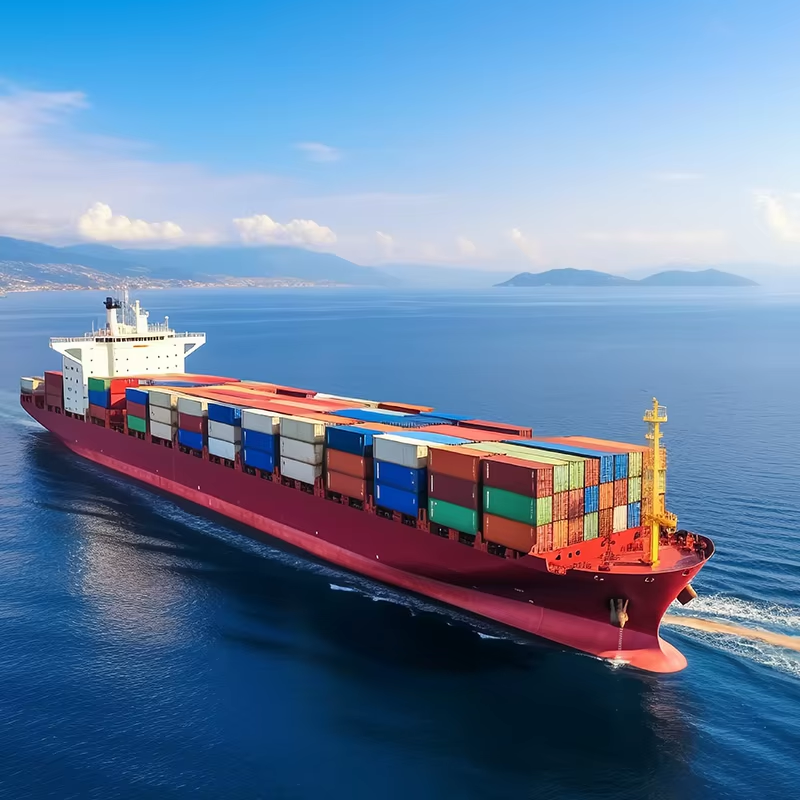
When vessels reroute around the Red Sea, they typically travel via the Cape of Good Hope, located at the southern tip of Africa. This alternative adds between 10 to 20 extra days to the voyage, depending on weather conditions and vessel type. For companies depending on tight delivery schedules, this has introduced major logistical challenges.
Shipping from China to Europe, which once took about 25 to 30 days through the Suez Canal, can now stretch to 45 days or more. The unpredictability of weather patterns and congestion at alternate ports has made it even harder to estimate exact delivery dates. For time-sensitive goods or production materials, these delays can cause disruptions in manufacturing and distribution plans.
Rerouting around the Red Sea has also increased freight rates across the board. Longer routes mean higher fuel costs, extended crew shifts, and reduced vessel availability, all of which contribute to price hikes. Importers in Europe are feeling the effects as container shortages and schedule adjustments ripple through the supply chain.
For exporters in China, these cost increases influence competitiveness. Businesses now face tough decisions on whether to absorb higher logistics expenses or pass them on to customers. The longer transit times have also affected inventory planning, with many companies increasing their stock levels to cushion against unpredictable delivery schedules.
In response to the ongoing rerouting around the Red Sea, many businesses are revising their logistics strategies. Importers are building in longer lead times and optimizing inventory cycles to account for shipping delays. By maintaining higher safety stock levels and planning shipments earlier, companies can better handle disruptions.
For those shipping from China to Europe, collaboration with freight forwarders who have strong global networks is essential. These logistics experts can help identify the best combination of routes, transit times, and cost structures, ensuring smoother operations despite the instability of the Red Sea shipping route.
The complexity of current shipping conditions has underscored the importance of working with experienced logistics partners. Reliable freight forwarders can provide route alternatives, offer customs clearance support, and give real-time updates on vessel movements. This level of transparency helps businesses stay informed and minimize the impact of unexpected delays.
Companies that can effectively manage logistics challenges stand out in today’s global marketplace. They can continue fulfilling customer commitments even under unpredictable shipping conditions caused by the Red Sea crisis.
The Red Sea crisis does not only affect routes between China and Europe—it disrupts trade across Asia, Africa, and the Middle East. The longer voyages required by rerouting increase the demand for vessels and port capacity globally, leading to congestion at alternative transshipment points.
Ports such as Singapore, Durban, and Rotterdam have experienced increased vessel traffic, straining terminal resources. These disruptions further complicate scheduling for global shipping networks, creating a ripple effect across multiple industries that depend on just-in-time delivery systems.
Longer routes mean higher carbon emissions due to extended fuel consumption. Shipping companies must now balance operational safety with sustainability goals, as rerouting around the Red Sea adds significant environmental costs. Some operators are experimenting with slow steaming—reducing vessel speed to conserve fuel—but this also extends delivery times further.
The logistical and ecological impact of avoiding the Red Sea is prompting discussions within the maritime community about the long-term viability of global shipping patterns.

 EN
EN




 Hot News